Lead Paint Removal Services: Protecting Children and Families
Understanding the Dangers of Lead Paint Lead Paint Exposure Risks
Hey there! Let's talk about something super important: lead paint. If you've got an older home, especially one built before 1978, there's a good chance it contains lead-based paint. Now, lead might sound like something from a science textbook, but when it comes to our health, especially our kids' health, it's a serious concern. Why? Because lead is toxic. When lead paint starts to chip, crack, or turn into dust, it can contaminate our environment. Kids, being the curious explorers they are, might put their hands in their mouths after touching contaminated surfaces, or even worse, ingest paint chips directly. This can lead to lead poisoning, which can cause a whole host of problems, including learning disabilities, behavioral issues, and even damage to their nervous system. It's not just kids, either; adults can also be affected, although children are much more vulnerable. So, understanding the risks is the first step in protecting your family.
Identifying Lead Paint in Your Home Lead Paint Testing Methods
Alright, so how do you know if you have lead paint in your house? The easiest way is to get it tested. There are a few ways to do this. You can hire a certified lead paint inspector. They'll come to your house and use special equipment to test different surfaces. This is probably the most accurate method, and it's definitely worth the investment if you're concerned. Another option is to buy a lead paint testing kit at your local hardware store. These kits are relatively inexpensive, but they might not be as accurate as professional testing. They usually involve swabbing a surface and then checking the swab for lead. If you're not sure about either of those options, you can also contact your local health department. They might offer free or low-cost lead paint testing services. Remember, even if the paint looks like it's in good condition, it can still be a hazard if it's disturbed during renovations or repairs. So, getting it tested is always a good idea.
Safe Lead Paint Removal Techniques Professional Lead Abatement Services
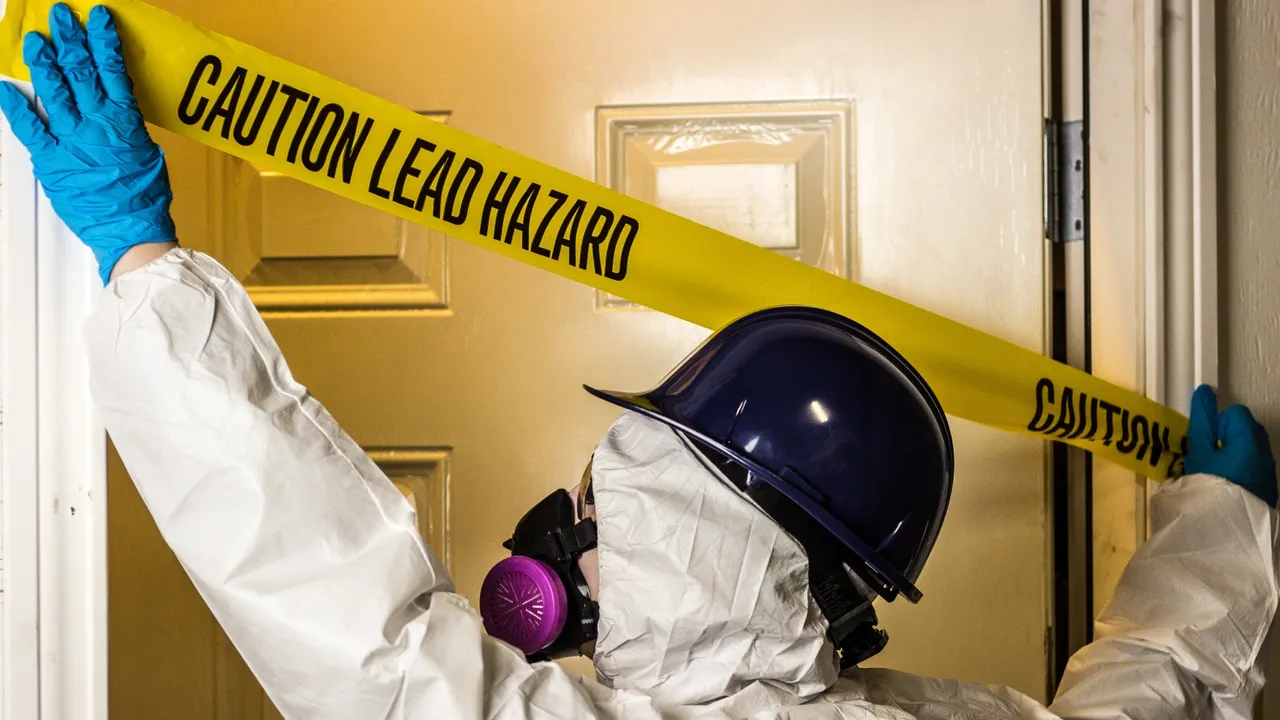
Okay, so you've tested your paint and found lead. Now what? Don't panic! There are safe ways to deal with it. The best option is to hire a professional lead abatement company. These companies have the training, equipment, and expertise to safely remove or encapsulate the lead paint. They'll follow strict guidelines to prevent lead dust from spreading throughout your home. This usually involves sealing off the work area, using HEPA vacuums to clean up any dust, and properly disposing of the lead paint waste. If you're thinking about doing it yourself, you need to be extremely careful. You'll need to wear protective gear, including a respirator, gloves, and coveralls. You'll also need to seal off the work area and use a HEPA vacuum to clean up any dust. And you'll need to dispose of the lead paint waste properly, which usually means taking it to a hazardous waste disposal facility. Honestly, unless you're very experienced with this kind of work, it's best to leave it to the professionals. It's just not worth the risk to your health and your family's health.
Lead Paint Encapsulation A Cost Effective Solution
If removing the lead paint isn't feasible, either due to cost or other reasons, encapsulation is another viable option. Encapsulation involves covering the lead paint with a special sealant that prevents it from chipping or flaking. This is a less expensive option than removal, but it's important to choose the right encapsulant. Look for products that are specifically designed for lead paint encapsulation and that have been tested and certified to meet safety standards. Before you encapsulate, you'll need to prepare the surface by cleaning it thoroughly and removing any loose or flaking paint. Then, you'll apply the encapsulant according to the manufacturer's instructions. It's important to note that encapsulation is not a permanent solution. The encapsulant will eventually need to be reapplied, and it's important to regularly inspect the encapsulated surface for any signs of damage.
DIY Lead Paint Removal Precautions Safety Equipment and Procedures
So you're thinking of tackling lead paint removal yourself? I strongly advise against it unless you're very experienced and understand the risks. But if you're determined, let's talk safety. First and foremost: protection, protection, protection! You absolutely need a properly fitted respirator with HEPA filters. Don't skimp on this! Get a professional fit test to make sure it's sealing correctly. You also need disposable coveralls, gloves (nitrile are best), and shoe covers. Think of it like a hazmat suit, but less dramatic. Seal off the room you're working in with plastic sheeting and painter's tape. This prevents lead dust from spreading to other areas of your house. Use a HEPA vacuum to clean up dust regularly. Regular vacuums will just spread the lead particles around. Keep children and pets far away from the work area. This is non-negotiable. Finally, dispose of all waste properly. Check with your local authorities for guidelines on disposing of lead-contaminated materials. Seriously, think twice before DIYing this. The health risks are significant.
Professional Lead Abatement Costs Budgeting for Lead Paint Removal
Okay, let's talk money. Professional lead abatement can be expensive, but it's an investment in your family's health. The cost will vary depending on the size of the area being treated, the complexity of the job, and the location of your home. Generally, you can expect to pay anywhere from $8 to $20 per square foot for lead paint removal. Encapsulation is typically less expensive, ranging from $3 to $7 per square foot. Get multiple quotes from different contractors to compare prices. Don't just go with the cheapest option. Make sure the contractor is licensed and insured, and that they have a good reputation. Ask for references and check them. Some states and localities offer grants or loans to help homeowners pay for lead abatement. Check with your local health department to see if any programs are available in your area. Remember, the cost of professional lead abatement is nothing compared to the potential costs of lead poisoning. It's worth the investment.
Recommended Products for Lead Paint Safety Lead Testing Kits and Encapsulants
Alright, let's dive into some specific products that can help you deal with lead paint safely. Remember, I'm not a professional, so always consult with experts before making any decisions. But here are a few options to consider:
- 3M LeadCheck Swabs: These are a popular choice for DIY lead paint testing. They're relatively easy to use and provide a quick indication of whether lead is present. You can find them at most hardware stores for around $20-$30 for a pack of swabs. Use them to test various surfaces in your home, following the instructions carefully. They are great for initial screenings but remember professional testing is best.
- ECOBOND Lead Defender: This is a popular lead paint encapsulant. It's designed to create a durable barrier over lead paint, preventing it from chipping or flaking. A gallon typically costs around $80-$100 and covers approximately 200-300 square feet. It is best used after proper surface preparation and is available in different finishes.
- Dumond Laminated Stripper: This product is designed for lead paint removal. It's a paste that you apply to the surface of the paint, let it sit, and then scrape it off. It's more labor-intensive than encapsulation, but it can be effective. A gallon typically costs around $150-$200. It is recommended for smaller areas or detailed work, and always with proper safety precautions.
- HEPA Vacuum Cleaners: A must for any lead paint related work. Look for models with true HEPA filtration. Brands like Shop-Vac and Ridgid offer HEPA vacuums in the $100-$300 range. These are essential for cleaning up lead dust and preventing it from spreading.
Comparing Lead Paint Removal Products Choosing the Right Solution
So, how do you choose the right product for your situation? It really depends on your budget, your DIY skills, and the extent of the lead paint problem. If you're on a tight budget and the lead paint is in good condition, encapsulation might be the best option. ECOBOND Lead Defender is a good choice for this. If you're comfortable with DIY projects and you only have a small area of lead paint to remove, Dumond Laminated Stripper could be a good option. However, it's important to be very careful and follow all safety precautions. If you have a large area of lead paint to remove or you're not comfortable with DIY projects, it's best to hire a professional lead abatement company. They'll have the expertise and equipment to safely and effectively remove the lead paint. Remember, safety is the most important thing. Don't take any risks when it comes to lead paint.
Long Term Management of Lead Paint Maintaining a Safe Home Environment
Even after you've removed or encapsulated the lead paint, it's important to take steps to maintain a safe home environment. Regularly clean your home with a HEPA vacuum to remove any lead dust that may have accumulated. Wash your children's hands frequently, especially before meals and after playing outside. Make sure your children have a healthy diet, rich in iron and calcium. These nutrients can help protect against the effects of lead poisoning. If you're planning any renovations or repairs, be sure to take precautions to prevent lead dust from spreading. This might involve sealing off the work area, using HEPA vacuums to clean up dust, and properly disposing of any lead paint waste. And finally, continue to monitor your children for any signs of lead poisoning. If you're concerned, talk to your doctor about getting them tested for lead.
Lead Paint Regulations and Compliance Local and Federal Laws
It's also important to be aware of the lead paint regulations in your area. The federal government has strict regulations regarding lead paint disclosure and abatement. Landlords are required to disclose the presence of lead paint to tenants, and sellers are required to disclose the presence of lead paint to buyers. There are also regulations regarding lead abatement work. Contractors who perform lead abatement work must be certified and follow specific safety procedures. Many states and localities have their own lead paint regulations, which may be stricter than the federal regulations. Check with your local health department to learn more about the lead paint regulations in your area. Complying with these regulations is not only the law, but it's also the right thing to do to protect your family and your community.
Resources for Lead Paint Information Where to Get Help
If you're looking for more information about lead paint, there are many resources available. The Environmental Protection Agency (EPA) has a wealth of information on its website, including brochures, fact sheets, and videos. The Department of Housing and Urban Development (HUD) also has information about lead paint, including resources for homeowners and renters. Your local health department can also provide information and resources about lead paint. And finally, there are many non-profit organizations that work to prevent lead poisoning. These organizations can provide education, advocacy, and support to families affected by lead paint. Don't hesitate to reach out for help. There are people who care and who can help you protect your family from the dangers of lead paint.
:max_bytes(150000):strip_icc()/277019-baked-pork-chops-with-cream-of-mushroom-soup-DDMFS-beauty-4x3-BG-7505-5762b731cf30447d9cbbbbbf387beafa.jpg)