Upholstery Cleaning Services: Restoring Furniture to Its Former Glory
Understanding Upholstery Fabrics A Guide to Choosing the Right Cleaning Method
Hey there! Ever wondered why your favorite armchair looks a little...sad? It's probably your upholstery screaming for some TLC. But before you grab any old cleaner, let's talk fabrics. We're talking about everything from delicate silk to tough-as-nails microfiber. Knowing your fabric is KEY to avoiding disaster. Think of it like this: would you wash a cashmere sweater the same way you'd wash a pair of jeans? Nope! Same goes for upholstery.
Here's a quick rundown of common upholstery fabrics and the cleaning methods they generally prefer:
- Cotton: Pretty durable, but can shrink or stain easily. Water-based cleaners are generally okay, but test in an inconspicuous area first!
- Linen: Similar to cotton, but even MORE prone to wrinkling. Gentle cleaning is a must.
- Wool: Luxurious and naturally stain-resistant, but can felt if handled improperly. Dry cleaning or VERY gentle water-based cleaning is best.
- Silk: Super delicate! Leave this one to the professionals. Seriously.
- Microfiber: A synthetic wonder! Usually pretty easy to clean with water-based cleaners.
- Leather: Requires special leather cleaners and conditioners. Avoid harsh chemicals.
- Synthetic Blends (Polyester, Acrylic): Generally pretty durable and easy to clean.
Pro Tip: Look for the cleaning code on your furniture tag! It'll tell you exactly what kind of cleaner to use (or avoid).
DIY Upholstery Cleaning vs Professional Services Which is Right for You?
Alright, so you know your fabric. Now comes the big question: DIY or call in the pros? Both have their pros and cons, so let's break it down.
DIY Cleaning: The Good, the Bad, and the Slightly Smelly
Pros:
- Cheaper: Obviously, you're saving money on labor costs.
- Convenient: You can do it on your own schedule.
- Empowering: There's something satisfying about tackling a cleaning project yourself!
Cons:
- Risk of Damage: Using the wrong cleaner or technique can ruin your upholstery.
- Time-Consuming: It can take a while, especially for larger pieces of furniture.
- Uneven Cleaning: You might not be able to get deep-down dirt and stains.
- Potential for Mold/Mildew: If you don't dry the upholstery properly, you could end up with a moldy mess.
Professional Upholstery Cleaning: The Investment in Long-Term Beauty
Pros:
- Expertise: Professionals know exactly what to do for different fabrics and stains.
- Specialized Equipment: They have the tools to deep clean and sanitize your upholstery.
- Reduced Risk of Damage: They're trained to avoid damaging your furniture.
- Convenience: You don't have to lift a finger!
- Improved Air Quality: Deep cleaning removes allergens and dust mites.
Cons:
- More Expensive: Professional cleaning costs more than DIY.
- Requires Scheduling: You need to book an appointment.
When to DIY: Minor spills and light cleaning. Think spot cleaning or vacuuming.
When to Call the Pros: Tough stains, delicate fabrics, or if you just want a deep, thorough cleaning.
Essential Upholstery Cleaning Products and Equipment for Home Use
So, you're going the DIY route? Awesome! Here's what you'll need to arm yourself for upholstery cleaning success:
- Vacuum Cleaner with Upholstery Attachment: This is your first line of defense! Vacuum regularly to remove loose dirt and debris. Look for a vacuum with a soft brush attachment to avoid scratching delicate fabrics.
- Upholstery Cleaning Solution: Choose a cleaner that's specifically designed for your fabric type. Read the labels carefully! Some popular options include:
- Resolve Upholstery Cleaner: A readily available and affordable option for general cleaning. (Around $5-10). Good for synthetic fabrics.
- Puracy Natural Upholstery Stain Remover: A plant-based option that's gentle on fabrics and safe for kids and pets. (Around $12-15). Great for cotton and linen.
- Leather Honey Leather Cleaner: Specifically formulated for leather upholstery. (Around $20-25).
- Spray Bottle: For applying cleaning solution.
- Microfiber Cloths: Soft and absorbent, perfect for wiping away dirt and stains. Avoid using paper towels, as they can leave lint.
- Soft-Bristled Brush: For gently scrubbing stubborn stains.
- Steam Cleaner (Optional): A steam cleaner can help loosen dirt and kill bacteria. However, be careful when using it on delicate fabrics. Always test in an inconspicuous area first. Bissell Little Green ProHeat Portable Deep Cleaner is a good option for spot cleaning and smaller furniture pieces. (Around $120-150)
- Dry Cleaning Solvent (For "S" Code Fabrics): If your furniture has an "S" cleaning code, you'll need a dry cleaning solvent. Follow the instructions carefully. A popular brand is Guardsman Dry Cleaning Fluid for Upholstery. (Around $15-20)
Step-by-Step Guide to DIY Upholstery Cleaning Techniques
Okay, you've got your supplies. Let's get cleaning! Here's a general step-by-step guide:
- Vacuum: Thoroughly vacuum the entire piece of furniture, paying attention to crevices and seams.
- Spot Test: Before applying any cleaner, test it in an inconspicuous area to make sure it doesn't damage or discolor the fabric.
- Apply Cleaner: Spray the cleaning solution onto a microfiber cloth (not directly onto the furniture) and gently blot the stain. Avoid rubbing, as this can spread the stain.
- Blot and Wipe: Use a clean, dry microfiber cloth to blot away the cleaner and any remaining dirt.
- Dry: Allow the upholstery to air dry completely. You can speed up the drying process by using a fan or opening windows. Avoid sitting on the furniture until it's completely dry.
- For Steam Cleaning (Optional): If using a steam cleaner, follow the manufacturer's instructions carefully. Move the steam cleaner slowly and evenly over the upholstery. Avoid over-wetting the fabric.
Important Considerations:
- Always read and follow the manufacturer's instructions for any cleaning products you use.
- Work in a well-ventilated area.
- Protect surrounding surfaces from overspray.
- If you're unsure about anything, it's always best to consult with a professional.
Tackling Common Upholstery Stains From Wine to Pet Accidents
Stains happen. It's a fact of life. But don't panic! Here's how to tackle some common upholstery stains:
- Wine Stains: Blot up as much wine as possible with a clean cloth. Then, sprinkle the stain with baking soda and let it sit for several hours. Vacuum up the baking soda. If the stain persists, try using a mixture of hydrogen peroxide and water (test in an inconspicuous area first!).
- Coffee Stains: Blot up as much coffee as possible with a clean cloth. Then, mix a small amount of dish soap with water and gently blot the stain. Rinse with clean water and blot dry.
- Pet Accidents: Clean up the mess as quickly as possible. Use an enzymatic cleaner specifically designed for pet stains. These cleaners will break down the enzymes in the urine and prevent odors. Nature's Miracle is a popular and effective brand. (Around $10-15)
- Grease Stains: Sprinkle the stain with cornstarch or baking soda and let it sit for several hours. Vacuum up the powder. If the stain persists, try using a dry cleaning solvent.
- Ink Stains: Blot the stain with rubbing alcohol. Be careful not to spread the ink. Then, blot with a clean cloth until the ink is gone.
Maintaining Your Upholstery Preventative Measures and Regular Cleaning
Prevention is key! Here are some tips for keeping your upholstery looking its best:
- Vacuum Regularly: Vacuum your upholstery at least once a week to remove loose dirt and debris.
- Rotate Cushions: Rotate your cushions regularly to prevent uneven wear.
- Protect from Sunlight: Sunlight can fade and damage upholstery. Use curtains or blinds to protect your furniture.
- Avoid Eating and Drinking on Upholstery: This is an obvious one, but it's worth repeating!
- Clean Spills Immediately: The sooner you clean up a spill, the less likely it is to stain.
- Consider Fabric Protection: You can apply a fabric protector to your upholstery to help repel stains and dirt. Scotchgard Fabric & Upholstery Protector is a widely used option. (Around $10-12)
Comparing Upholstery Cleaning Methods Steam Cleaning vs Dry Cleaning vs Shampooing
Let's delve deeper into different cleaning methods. Each has its advantages and drawbacks.
- Steam Cleaning (Hot Water Extraction): This method involves injecting hot water and cleaning solution into the upholstery and then immediately extracting it with a powerful vacuum. It's effective for removing deep-seated dirt and allergens.
- Pros: Deep cleaning, removes allergens, sanitizes.
- Cons: Can over-wet fabrics, longer drying time, not suitable for all fabrics.
- Best for: Durable fabrics like microfiber and synthetic blends.
- Dry Cleaning: This method uses chemical solvents to clean upholstery without water. It's ideal for delicate fabrics that can be damaged by water.
- Pros: Safe for delicate fabrics, minimal drying time.
- Cons: Can be more expensive, may not remove all stains, strong chemical odors.
- Best for: Silk, velvet, and other delicate fabrics with an "S" cleaning code.
- Upholstery Shampooing: This involves applying a cleaning solution to the upholstery and then agitating it with a brush or sponge. The solution is then extracted with a vacuum.
- Pros: Can be effective for removing surface dirt and stains, relatively inexpensive.
- Cons: Can leave residue, may not be as effective as steam cleaning, can over-wet fabrics.
- Best for: General cleaning of durable fabrics.
Upholstery Cleaning Services Cost Factors and What to Expect
Thinking about hiring a professional? Here's what to expect in terms of cost.
The cost of professional upholstery cleaning can vary depending on several factors, including:
- Type of Furniture: Sofas, chairs, and sectionals will have different prices.
- Size of Furniture: Larger pieces will cost more to clean.
- Fabric Type: Delicate fabrics require specialized cleaning methods and may cost more.
- Stain Level: Heavily stained furniture may require more time and effort to clean.
- Location: Prices can vary depending on your geographic location.
- Cleaning Method: Dry cleaning is typically more expensive than steam cleaning.
Here's a general price range for professional upholstery cleaning:
- Chair: $50 - $150
- Sofa: $100 - $300
- Sectional: $200 - $500+
What to ask before hiring:
- Ask for a detailed quote: Get a written estimate that includes all costs.
- Inquire about their experience: Make sure they have experience cleaning your fabric type.
- Ask about their cleaning methods: Understand what methods they will use and why.
- Check their reviews: See what other customers have said about their services.
- Ask about their guarantee: Do they offer a guarantee if you're not satisfied with the results?
Eco-Friendly Upholstery Cleaning Options and Sustainable Practices
Want to clean green? Here are some eco-friendly options.
If you're concerned about the environment, there are several eco-friendly upholstery cleaning options available:
- Natural Cleaning Solutions: Look for cleaning products that are made with plant-based ingredients and are free of harsh chemicals. Puracy and Seventh Generation are good brands to consider.
- DIY Cleaning Solutions: You can make your own cleaning solutions using ingredients like vinegar, baking soda, and lemon juice.
- Eco-Friendly Professional Cleaners: Many professional upholstery cleaners offer eco-friendly cleaning services using sustainable practices and green products.
Sustainable Practices:
- Water Conservation: Choose cleaning methods that use less water, such as dry cleaning or low-moisture steam cleaning.
- Waste Reduction: Use reusable cleaning cloths and avoid disposable wipes.
- Responsible Disposal: Dispose of cleaning products and waste responsibly.
Upholstery Protection Services Extending the Life of Your Furniture
Protect your investment! Here's how.
Applying a fabric protector to your upholstery can help extend its life and prevent stains. Fabric protectors create a barrier that repels liquids and dirt, making it easier to clean up spills and prevent stains from setting in.
Types of Fabric Protectors:
- Solvent-Based Protectors: These protectors are typically more durable and effective, but they can contain harsh chemicals.
- Water-Based Protectors: These protectors are more environmentally friendly, but they may not be as durable as solvent-based protectors.
Application:
- Professional Application: Having a professional apply fabric protector is the best way to ensure even coverage and optimal protection.
- DIY Application: You can also apply fabric protector yourself, but be sure to follow the manufacturer's instructions carefully.
Popular Products:
- Scotchgard Fabric & Upholstery Protector: A widely used and effective option. (Around $10-12)
- ForceField Fabric Protector: Offers excellent stain and water resistance. (Around $15-20)
When to Replace Your Upholstery Knowing When It's Time to Say Goodbye
Sometimes, no matter how much you clean, it's time for something new.
There comes a time when upholstery cleaning just isn't enough. Here are some signs that it may be time to replace your upholstery or even the entire piece of furniture:
- Permanent Stains: If you've tried everything and you still can't remove the stains, it may be time to replace the upholstery.
- Tears and Rips: Large tears and rips can be difficult and expensive to repair.
- Fading and Discoloration: If your upholstery has faded or discolored from sunlight or wear, it may be time for a change.
- Unpleasant Odors: If your upholstery has a persistent odor that you can't get rid of, it may be time to replace it.
- Sagging Cushions: If your cushions are sagging and uncomfortable, it may be time to replace them or the entire piece of furniture.
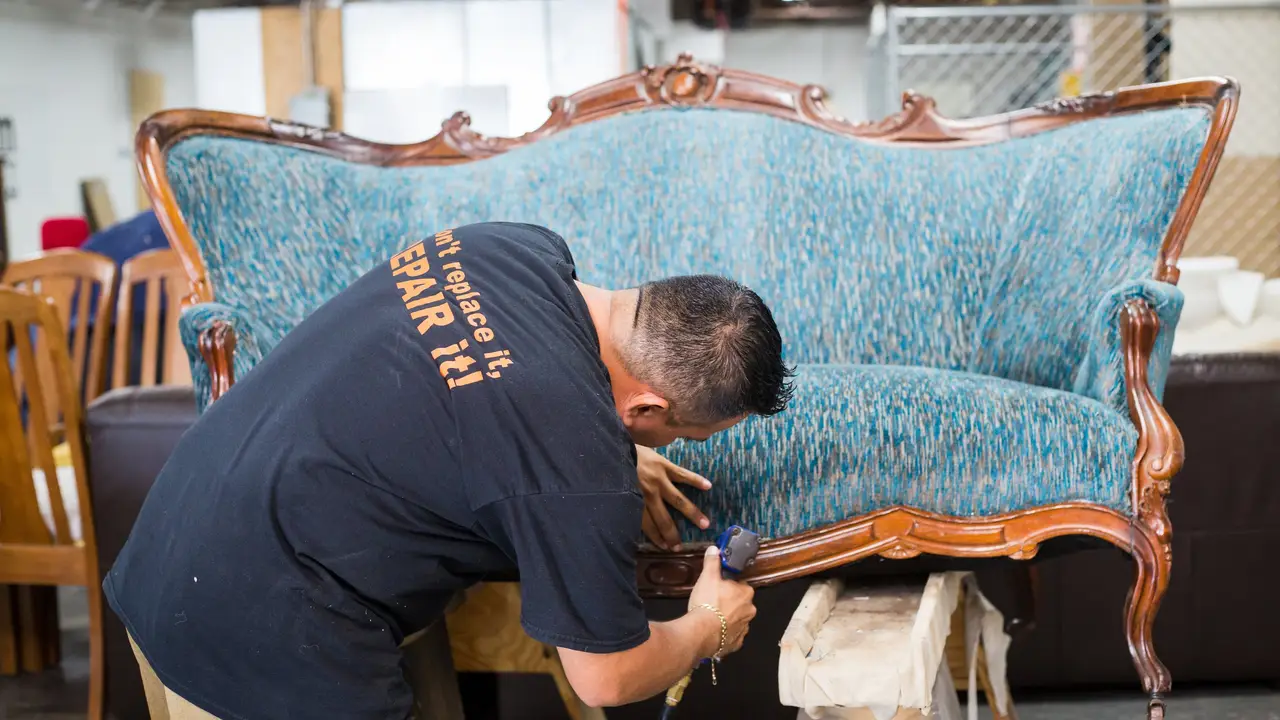
Before replacing your furniture, consider reupholstering. This can be a more cost-effective option than buying new furniture, and it allows you to customize the look and feel of your furniture. However, reupholstering can still be expensive, so be sure to get quotes from several different companies before making a decision.
:max_bytes(150000):strip_icc()/277019-baked-pork-chops-with-cream-of-mushroom-soup-DDMFS-beauty-4x3-BG-7505-5762b731cf30447d9cbbbbbf387beafa.jpg)