Water Damage Restoration Services: Mitigating Damage and Preventing Mold
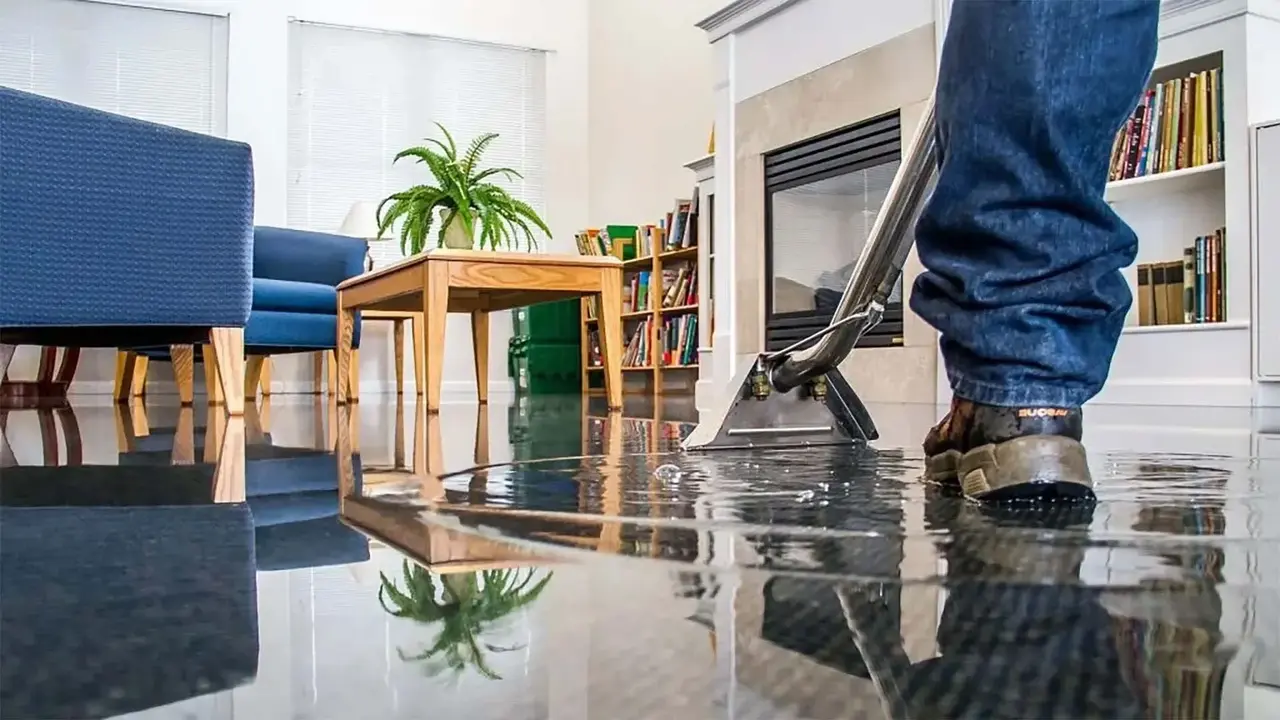
Understanding Water Damage The Silent Threat to Your Home
Okay, let's dive in. Water damage. It's sneaky, it's destructive, and it can turn your dream home into a nightmare faster than you can say "insurance claim." We're not just talking about a leaky faucet here; we're talking about burst pipes, flooded basements, and the aftermath of a serious storm. The kind of water damage that seeps into your walls, weakens your foundation, and creates the perfect breeding ground for mold. Yuck.
So, what exactly is water damage? Simply put, it's any damage caused by excessive water. This could be from a sudden event like a flood or a slow, insidious leak that goes unnoticed for months. The problem is, even a small amount of water can cause significant damage over time. Think about it: moisture weakens wood, corrodes metal, and destroys drywall. And that's just the beginning.
Why is it so important to address water damage quickly? Because the longer you wait, the worse it gets. Water damage can lead to structural problems, electrical hazards, and, of course, mold growth. Mold isn't just unsightly; it can also cause serious health problems, especially for people with allergies or respiratory issues. So, dealing with water damage promptly is not just about protecting your home; it's about protecting your health and your family's well-being.
Identifying Water Damage Early Signs and Symptoms
Alright, so how do you know if you have water damage? Sometimes it's obvious – like when your basement is flooded. But often, the signs are more subtle. Here are a few things to look out for:
- Stains on walls or ceilings: These are often the first sign of a leak. Look for discoloration, watermarks, or peeling paint.
- Musty odors: That damp, earthy smell is a telltale sign of mold growth. If you smell it, you've likely got a water problem.
- Visible mold growth: This is the most obvious sign. Mold can be black, green, brown, or white, and it often appears in damp, dark places.
- Warped or buckled flooring: Water can cause wood floors to warp and tile to crack.
- Peeling wallpaper: Water can loosen the adhesive and cause wallpaper to peel away from the wall.
- Damp or swollen drywall: Drywall that feels soft or crumbly is a sign of water damage.
Don't ignore these signs! The sooner you identify water damage, the easier and less expensive it will be to fix. Regularly inspect your home for these signs, especially in areas prone to leaks, such as bathrooms, kitchens, and basements.
The Importance of Professional Water Damage Restoration Services
Okay, you've spotted some water damage. Now what? While you might be tempted to tackle the problem yourself, water damage restoration is often best left to the professionals. Here's why:
- Expertise and Equipment: Water damage restoration companies have the knowledge, skills, and specialized equipment needed to properly assess and repair water damage. They can identify the source of the leak, extract the water, dry the affected areas, and prevent mold growth.
- Hidden Damage: Water can seep into walls, floors, and ceilings, causing hidden damage that's difficult to detect. Professionals have the tools and techniques to find this hidden damage and address it before it becomes a bigger problem.
- Mold Prevention: Mold can grow quickly in damp environments. Water damage restoration companies use specialized techniques to prevent mold growth and ensure that your home is safe and healthy.
- Insurance Claims: Dealing with insurance companies can be a hassle. Water damage restoration companies can help you navigate the claims process and ensure that you receive the compensation you deserve.
Trying to DIY water damage restoration can actually make the problem worse. You might not be able to completely dry the affected areas, which can lead to mold growth. You might also miss hidden damage, which can cause further problems down the road. So, unless you're a trained professional, it's best to call in the experts.
Water Extraction Techniques and Equipment for Effective Drying
So, the pros are here. What are they *actually* doing? The first step in water damage restoration is water extraction. This involves removing all standing water from your home. The faster the water is removed, the less damage it will cause.
Here are some of the common techniques and equipment used for water extraction:
- Submersible Pumps: These pumps are used to remove large amounts of standing water from flooded areas. They can pump water out of your home quickly and efficiently.
- Wet/Dry Vacuums: These vacuums are designed to suck up water from carpets, floors, and other surfaces. They're useful for removing smaller amounts of water.
- Truck-Mounted Extractors: These powerful machines are used to extract water from carpets and upholstery. They provide a deep clean and help to prevent mold growth.
- Moisture Meters: These devices are used to measure the moisture content of building materials. They help professionals determine how much water has been absorbed and how long it will take to dry the affected areas.
Once the water has been extracted, the next step is drying. This involves using dehumidifiers and air movers to remove moisture from the air and building materials. The goal is to dry the affected areas as quickly as possible to prevent mold growth.
Drying and Dehumidification Strategies Preventing Further Damage
Okay, water's out. Now we need to *dry* everything. Drying is a critical part of the water damage restoration process. If the affected areas aren't dried properly, mold can grow, and structural damage can occur. Here are some of the common drying and dehumidification strategies used by professionals:
- Dehumidifiers: These machines remove moisture from the air, helping to dry out the affected areas. There are two main types of dehumidifiers: refrigerant dehumidifiers and desiccant dehumidifiers. Refrigerant dehumidifiers are more energy-efficient, while desiccant dehumidifiers are more effective at low temperatures.
- Air Movers: These fans circulate air, helping to speed up the drying process. They're placed strategically to direct airflow over the affected areas.
- Thermal Imaging: This technology uses infrared cameras to detect hidden moisture. It helps professionals identify areas that need extra drying.
- Monitoring: Professionals will regularly monitor the moisture levels in the affected areas to ensure that they're drying properly. They'll also adjust the drying equipment as needed to optimize the drying process.
The drying process can take several days, depending on the extent of the water damage. It's important to be patient and allow the professionals to do their job. Rushing the drying process can lead to problems down the road.
Mold Prevention and Remediation Techniques Ensuring a Healthy Environment
Mold. The dreaded "M" word. Preventing mold growth is a top priority in water damage restoration. Mold can grow quickly in damp environments, and it can cause serious health problems. Here are some of the common mold prevention and remediation techniques used by professionals:
- Antimicrobial Treatments: These treatments are applied to the affected areas to kill mold spores and prevent mold growth. They're often used in conjunction with drying and dehumidification.
- HEPA Filtration: HEPA filters are used to remove mold spores from the air. They're often used in air purifiers and vacuum cleaners.
- Containment: If mold growth is present, professionals will often create a containment area to prevent the mold spores from spreading to other parts of your home.
- Mold Removal: In some cases, it may be necessary to remove mold-infested materials. This should be done by a trained professional to prevent the spread of mold spores.
If you suspect that you have mold growth in your home, it's important to call a professional mold remediation company. They can assess the extent of the mold growth and develop a plan to remove it safely and effectively.
Specific Product Recommendations for Water Damage Mitigation and Cleanup
Okay, let's talk products. Here are a few specific products that can be helpful for water damage mitigation and cleanup:
- Dri-Eaz Revolution LGR Dehumidifier: This is a top-of-the-line dehumidifier that's perfect for large-scale water damage restoration. It's energy-efficient and can remove a lot of moisture from the air. Price: ~$2,500. Use Case: Flooded basements, large water damage areas. Comparison: More expensive than other dehumidifiers, but more powerful and efficient.
- B-Air Vantage VG-1400 Air Mover: This is a powerful air mover that's designed to circulate air and speed up the drying process. It's durable and can withstand heavy use. Price: ~$200. Use Case: Drying carpets, floors, and walls. Comparison: More powerful than household fans, but not as powerful as industrial-grade air movers.
- Concrobium Mold Control: This is a mold control product that can be used to prevent mold growth or kill existing mold. It's non-toxic and can be used on a variety of surfaces. Price: ~$20. Use Case: Preventing mold growth after water damage, killing existing mold on surfaces. Comparison: Safer than bleach, but may not be as effective on severe mold infestations.
- 3M Mold Remediation Respirator: Protect yourself! When dealing with mold, a good respirator is crucial. This 3M respirator filters out mold spores and other harmful particles. Price: ~$30. Use Case: Any mold remediation project. Comparison: Offers better protection than a simple dust mask.
- Water Sensor Alarms: Early detection is key. These alarms detect the presence of water and alert you to leaks before they cause significant damage. Place them near water heaters, washing machines, and under sinks. Price: ~$15-30 per sensor. Use Case: Preventative measure to detect leaks early. Comparison: Some models offer smartphone notifications for remote monitoring.
Remember to always follow the manufacturer's instructions when using these products. And if you're not comfortable using them yourself, it's best to call a professional.
Navigating Insurance Claims for Water Damage Restoration
Dealing with insurance companies can be stressful, especially after experiencing water damage. Here are a few tips for navigating insurance claims for water damage restoration:
- Contact Your Insurance Company ASAP: The sooner you file a claim, the better. Be prepared to provide details about the water damage, including the source of the leak and the extent of the damage.
- Document Everything: Take photos and videos of the water damage. Keep records of all expenses related to the restoration process.
- Work with a Reputable Water Damage Restoration Company: Choose a company that has experience working with insurance companies. They can help you navigate the claims process and ensure that you receive the compensation you deserve.
- Understand Your Policy: Read your insurance policy carefully to understand what's covered and what's not. Pay attention to any exclusions or limitations.
- Be Persistent: Don't be afraid to follow up with your insurance company if you haven't heard back from them. Be prepared to advocate for yourself.
Dealing with insurance claims can be a headache, but it's important to be patient and persistent. By following these tips, you can increase your chances of receiving the compensation you deserve.
Preventative Measures to Minimize Future Water Damage Risks
Okay, you've dealt with the water damage. Now, how do you prevent it from happening again? Here are a few preventative measures you can take to minimize future water damage risks:
- Regularly Inspect Your Plumbing: Check for leaks around pipes, faucets, and toilets. Replace any worn or damaged plumbing fixtures.
- Maintain Your Gutters and Downspouts: Clean your gutters and downspouts regularly to prevent water from backing up and causing damage to your roof and foundation.
- Install a Water Leak Detection System: These systems can detect leaks early and alert you to potential problems.
- Insulate Your Pipes: Insulate your pipes to prevent them from freezing and bursting during cold weather.
- Know Where Your Main Water Shut-Off Valve Is: In case of a leak, knowing how to shut off the water quickly can prevent significant damage.
By taking these preventative measures, you can significantly reduce your risk of experiencing water damage in the future. It's a small investment that can save you a lot of time, money, and stress in the long run.
DIY vs Professional Water Damage Restoration A Balanced Perspective
So, should you DIY or call a pro? It's a tough question. Minor leaks (like a small drip under the sink) *might* be manageable with a little elbow grease and some basic tools. However, when it comes to significant water damage – think flooding, burst pipes, or anything involving potential mold – it's almost always best to call in the professionals. Here's a quick breakdown:
DIY - When it *might* be okay:
- Small, isolated leaks
- You're comfortable with basic plumbing repairs
- You have the necessary tools and equipment
- You're confident you can dry the area thoroughly
Professional - When it's *definitely* the way to go:
- Large-scale water damage
- Suspected mold growth
- Structural damage
- You're not comfortable with plumbing repairs
- You don't have the necessary equipment
Ultimately, the decision is yours. But remember, water damage can be tricky, and mistakes can be costly. When in doubt, err on the side of caution and call a professional.
The Long-Term Benefits of Proper Water Damage Restoration
Investing in proper water damage restoration isn't just about fixing the immediate problem; it's about protecting your home and your health for the long term. Here are some of the long-term benefits:
- Preventing Structural Damage: Water damage can weaken the structure of your home, leading to costly repairs down the road. Proper restoration can prevent this from happening.
- Preventing Mold Growth: Mold can cause serious health problems and can be difficult to get rid of. Proper restoration can prevent mold growth and ensure that your home is safe and healthy.
- Maintaining Your Home's Value: Water damage can decrease the value of your home. Proper restoration can help to maintain your home's value and make it more appealing to potential buyers.
- Peace of Mind: Knowing that your home is protected from water damage can give you peace of mind. You can relax and enjoy your home without worrying about potential problems.
So, while water damage restoration may seem like an expensive investment, it's an investment that can pay off in the long run. It's about protecting your home, your health, and your peace of mind.
Choosing the Right Water Damage Restoration Company Key Considerations
Finding the right water damage restoration company is crucial for a successful outcome. Here are some key considerations to keep in mind:
- Experience and Expertise: Look for a company that has years of experience in the industry and a team of trained professionals.
- Licensing and Insurance: Make sure the company is licensed and insured. This will protect you in case of accidents or damage.
- Reputation: Check online reviews and ask for references. A reputable company will have a track record of satisfied customers.
- Certifications: Look for companies that are certified by organizations like the IICRC (Institute of Inspection, Cleaning and Restoration Certification).
- 24/7 Availability: Water damage can happen at any time. Choose a company that offers 24/7 emergency services.
- Transparent Pricing: Get a written estimate before work begins. Make sure the estimate is clear and detailed.
Don't just choose the first company you find. Take the time to research your options and choose a company that you can trust to do the job right.
Eco-Friendly Water Damage Restoration Practices Sustainable Solutions
In today's world, it's important to consider the environmental impact of our actions. Fortunately, there are eco-friendly water damage restoration practices that can minimize the impact on the environment. Here are a few examples:
- Using Eco-Friendly Cleaning Products: Choose cleaning products that are biodegradable and non-toxic.
- Recycling Materials: Recycle any damaged materials that can be recycled.
- Conserving Water: Use water-efficient equipment and techniques to minimize water waste.
- Proper Disposal of Hazardous Materials: Dispose of any hazardous materials properly to prevent pollution.
Ask your water damage restoration company about their eco-friendly practices. Choose a company that is committed to sustainability.
The Future of Water Damage Restoration Innovations and Emerging Technologies
The water damage restoration industry is constantly evolving. New technologies and innovations are emerging all the time. Here are a few things to watch out for in the future:
- Advanced Moisture Detection Technologies: New sensors and imaging technologies are making it easier to detect hidden moisture.
- Robotics and Automation: Robots are being used to perform tasks such as water extraction and mold removal.
- AI-Powered Damage Assessment: Artificial intelligence is being used to assess the extent of water damage and develop restoration plans.
- Sustainable Materials and Practices: The industry is moving towards more sustainable materials and practices.
These innovations are making water damage restoration more efficient, effective, and environmentally friendly.
:max_bytes(150000):strip_icc()/277019-baked-pork-chops-with-cream-of-mushroom-soup-DDMFS-beauty-4x3-BG-7505-5762b731cf30447d9cbbbbbf387beafa.jpg)